Discover


We identify and document what we already know and what could be possible to explore through the commissioning cycle. We also plan our commissioning phases.

What to expect

Discovery is for discovering, not validating. This is your opportunity to develop a good understanding of the challenges, issues, gaps, and opportunities by bringing all the information you have together.

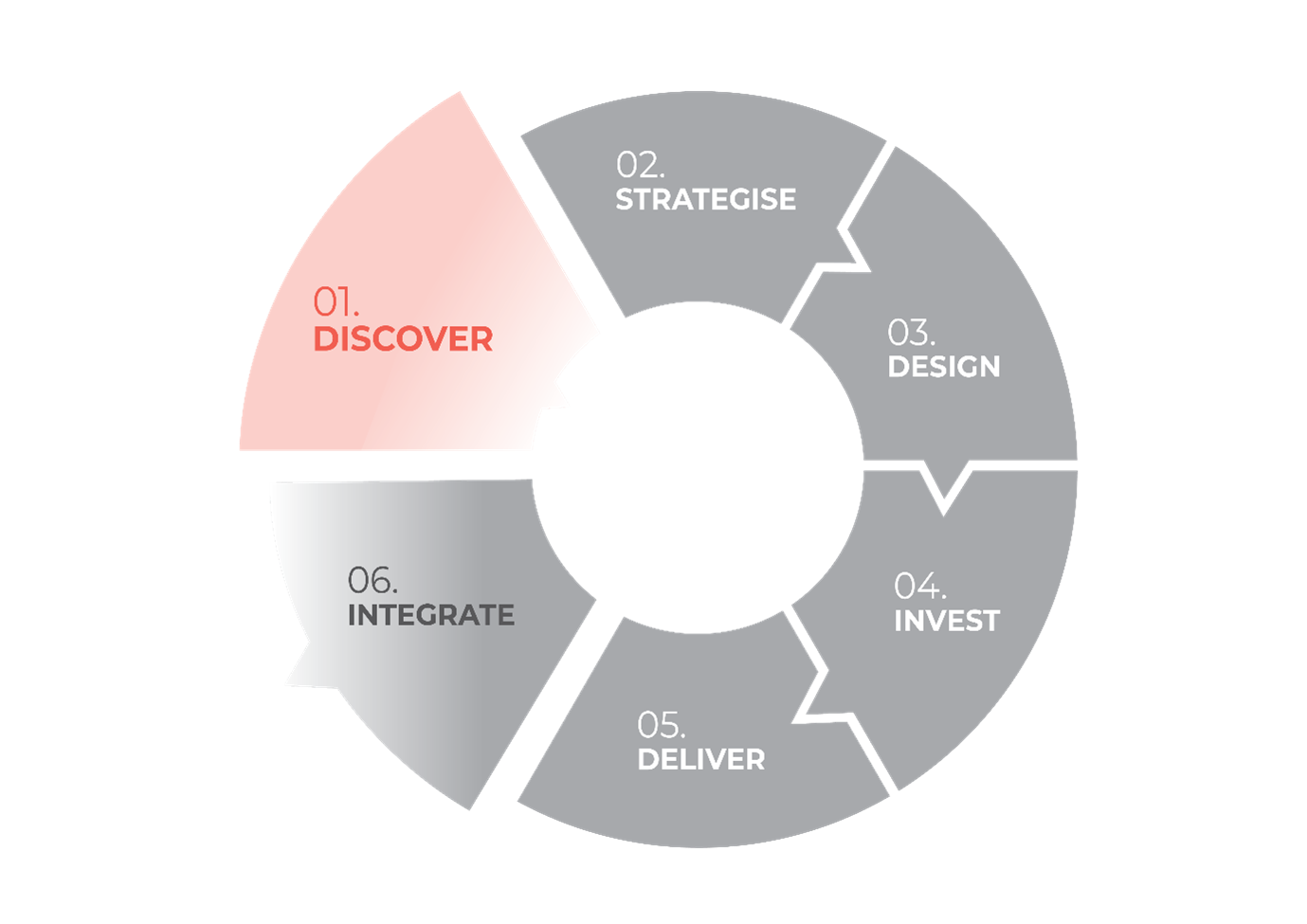
Diagram of the commissioning cycle with the first phase Discover highlighted.

Use the discovery discussion template, this will guide you through the key activities. Review the commissioning website with the forecast of other commissioning activities to find active related cycles.

Take a deep dive into the history, the current service situation and how this service or need is linked to existing plans or frameworks. This includes linking this service to the outcomes of the ACT Wellbeing Framework.

Who is involved? Identify who is involved in delivery or who could be, who is interested in this service, need or outcome.

Who is impacted? Gather information that indicates or articulates the need, this could be data or lived experience stories. Who/what is missing?

Together, commissioner, partners, providers, and stakeholders determine who, how and when they will undertake collaborative design. This can include identifying additional participants or involving people with lived experience, selecting collaboration methods like workshops, discussion guides, service journey mapping; and then plan when and where these activities will occur. This approach is also outlined in the sectors in progress section of the commissioning website to be transparent.

Be transparent from the start, let current providers, interested stakeholders and potential partners understand timings for engagement and collaboration and how you are approaching commissioning.

Together, the commissioner, partners, providers and stakeholders plan the windows for commissioning phases so that all participants understand how the cycle will evolve through design, invest and delivery.

Find and collate insights from contract reports or service evaluations. What have other consultation processes told us about this need or this service? What do other jurisdictions do to address this need? What is working and what is challenging?

It is ok to have questions – that is exactly what a good discovery should generate. Present potential framing statements and put forward questions to explore with partners and providers in the strategise phase.

Using the template, document what you understand to be the commissioning opportunity. This document will guide discussions during the strategise phase.  All needs assessments should specifically consider the needs of priority populations, person centred approaches, trauma informed practice, intergenerational disadvantage, intersectionality between this and other parts of the service system and whole of system reform.

Understand the commissioning approach and assess your and your participants skills and capability to undertake commissioning – do you need support or training?

  • Find out what people have shared before about this service or need.
  • There are many sources of existing lived experience stories and voices that can help us understand who might benefit or is impacted.
  • Try outcome reports, government inquires, advocacy materials from the sector, evaluations, media stories, recent consultation reports and legislative assembly inquiries. Ask other key stakeholders to share what they already have on lived experience.
  • Consider and identify the intersectionality of people with lived experience. Intersectionality refers to an understanding of these social categorisations as they apply to individuals but also, to the responsiveness of services to the range of needs of these groups.

Resources

Tools, templates and training

Page updated: 28 Feb 2024